
Robotics in Gastrointestinal

  • Home
  • Robotics in Gastrointestinal

Robotics in Gastrointestinal


Course Image
Course Overview

The Robotics in Gastrointestinal Surgery Training Program is designed to systematically develop operative proficiency, technical expertise, and clinical confidence in robotic-assisted gastrointestinal surgery. Through a structured curriculum, participants gain comprehensive knowledge of robotic system setup, patient positioning, surgical planning, and procedural workflows relevant to gastrointestinal surgical procedures.

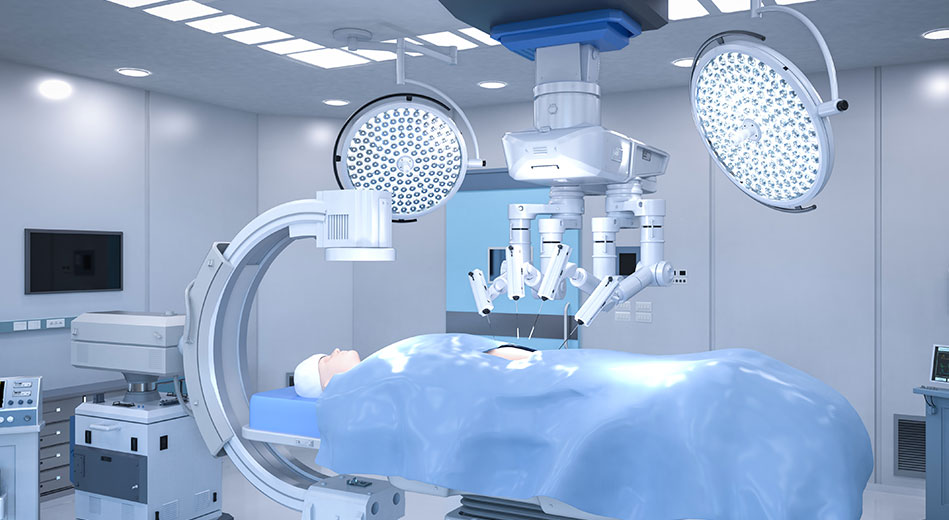
The program emphasizes robotic instrumentation, three-dimensional visualization, precision tissue handling, and minimally invasive surgical techniques using the Intuitive da Vinci Surgical System. Participants engage in guided hands-on training, dry lab exercises, and simulation-based learning to strengthen psychomotor skills, operative dexterity, and procedural efficiency.

The curriculum also focuses on operating room workflow, patient safety, teamwork, communication, and situational awareness within the robotic surgical environment. This training prepares surgeons to perform robotic gastrointestinal procedures with enhanced precision, safety, and procedural confidence.

Learning Objectives
  • Develop proficiency in robotic system setup, docking, and operating room workflow integration.
  • Build competency in robotic instrumentation, tissue handling, and precision gastrointestinal surgical techniques.
  • Strengthen technical skills through structured dry lab exercises and simulation-based training.
  • Enhance teamwork, communication, situational awareness, and patient safety practices in robotic surgical environments.
Learning Methodology
  • Expert-led lectures covering robotic surgery principles and gastrointestinal applications.
  • Structured hands-on training using the Intuitive da Vinci Surgical System.
  • Dry lab exercises, mannequin-based training, and simulation-based skill development.
  • Team-based learning sessions with guided feedback and performance assessment.
Learning Outcomes
  • Perform robotic system setup, docking, and console operations with confidence and efficiency.
  • Demonstrate improved robotic instrument control, tissue handling, and operative precision.
  • Apply robotic surgical principles safely during gastrointestinal procedures.
  • Integrate technical and non-technical skills to optimize surgical performance and patient outcomes.
Eligibility Criteria
  • Licensed medical graduates (MBBS or equivalent) with valid institutional or national medical registration.
  • Gastrointestinal Surgeons, GI Surgical Oncologists, Surgical Residents, Fellows, and practicing Consultants seeking robotic surgery training.
  • Basic knowledge of gastrointestinal surgical procedures and minimally invasive surgery is preferred.
  • Prior exposure to robotic surgery is beneficial but not mandatory.
Course Modules
Module 1 - Introduction to Robotic Program
  • Fundamentals of Robotic Surgery (FRS)
  • Overview of Robotic Gastrointestinal Surgery
  • Human Factors: Situational Awareness in the Robotic Operating Theatre
  • Human Factors: Errors and Violations
  • Principles of Safe Robotic Practice
Module 2 - Robot set-up
  • Start-Up and System Calibration
  • Robotic Docking Sequence
  • Instrumentation and System Components
  • Types of Retractors and Retractor Setting
  • Patient Cart Positioning and Port Placement
  • Troubleshooting and System Checks
Module 3 - Technical skills development
  • Dry Lab Skill Development
  • Retractor Setting on Mannequin
  • Simulation-Based Skill Development
  • Robotic System Familiarization
  • Technical Skills Refinement Exercises
Module 4 - Non-Technical Skills development
  • Team Training Workshop
  • Simulation Team Training
  • Surgical Briefing and Debriefing
  • Communication Skill Development
  • Team Dynamics and Collaborative Practice

WhatsApp